Being Venezuelan in Chicago Today
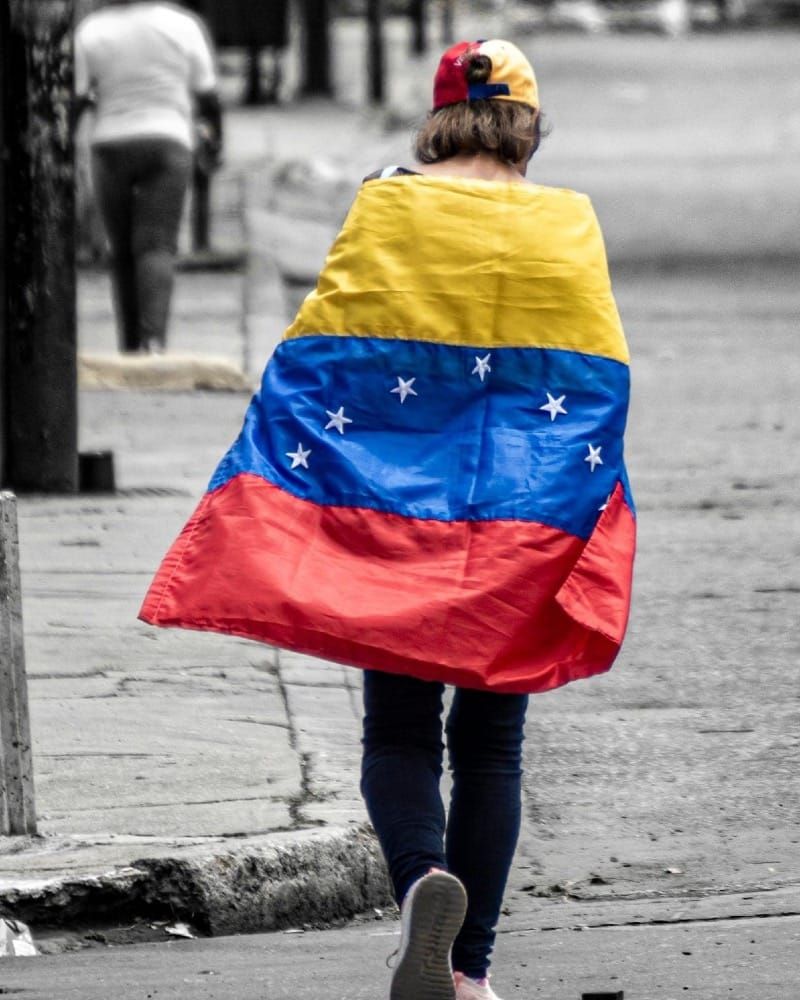
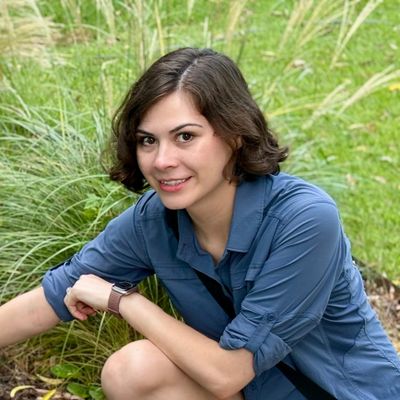
Sofia wants to bring into the light what life is like these days for Venezuelans in Chicago, in order to help her neighbors, whose lived experiences differ from hers, better understand Venezuelans’ plight. (Note: We are using a pseudonym out of respect for her wishes.)
Hundreds of thousands of Venezuelans like Sofia and her family have fled their impoverished and violent homeland over the past four years, leaving behind everything they’ve known and risking their lives to seek asylum in the U.S. Asylum, an internationally recognized status, is legal to pursue here, but asylum seekers from Venezuela have become a persistent target of the Trump administration.
Sofia and her family surrendered their passports after crossing the border in compliance with the asylum process. Along with tens of thousands of other Venezuelans, they were bused from a border state to Chicago as part of a political stunt because of our status as a sanctuary city. They have done their best to start a new life here, navigating shelters and a complicated and expensive legal system. Due to the conditions in their country, they were granted Temporary Protected Status (TPS), which allowed them to get work permits and IDs, but one of Trump’s first executive orders in his second term was to remove TPS for people from Venezuela and a handful of other countries.
Then came the ICE raids. And the malicious, false portrayal of all Venezuelans as violent gang members.
CHAOS IN HER HOME COUNTRY
For Sofia, the U.S. capture of deposed Venezuelan leader Nicolás Maduro has only led to more uncertainty. She is more determined than ever to stay in the U.S. with her family. Her two young daughters love Chicago and their new school. Her mom and sister remain in Venezuela.
“My mom and sister tell me it is more intense than ever at home,” Sofia says in Spanish that has been translated. “My sister has trouble getting paid in her teaching job. (A government position.) The same people have the power. My sister was on the bus, and the police came on and took everyone’s phones. If anyone had (social media) posts celebrating Maduro’s capture or expressing agreement, they were arrested and punished. Many people have confirmed it. That is the truth of what is happening there.”
In the weeks since Maduro’s ousting by the U.S. military, hundreds of dissenters have been arrested and remain behind bars, and thousands of dissidents face criminal charges for opposing Maduro's authoritarian regime. As for the political prisoners incarcerated during Maduro’s reign, only 41 of over 800 people had been released as of January 12, in the wake of U.S. intervention, NPR reported.
Back here in Chicago, despite her many financial and emotional struggles, Sofia is committed to working hard and staying positive for her daughters. She works long hours on even the coldest days, doing work very few people would want to do for extremely low pay. She often comes up short on rent and is barely getting by. She pays taxes on her income, although she receives no benefits.
THE COLD THAT HURTS
A typical day for Sofia and her girls starts very early. She has had many different jobs, usually far away. Public transportation takes two hours each way. Her partner helps care for the girls and shuttles them to school and activities. Her oldest daughter plays the violin in the school orchestra. Sofia works in a warehouse and delivers packages even on the snowiest or most frigid Chicago days. She tells me her hands and cheeks are raw and cracked. Coming here was a massive change from the climate in Venezuela, but she and her girls manage and don't complain. At least not much. (Just like the rest of us Chicagoans.)
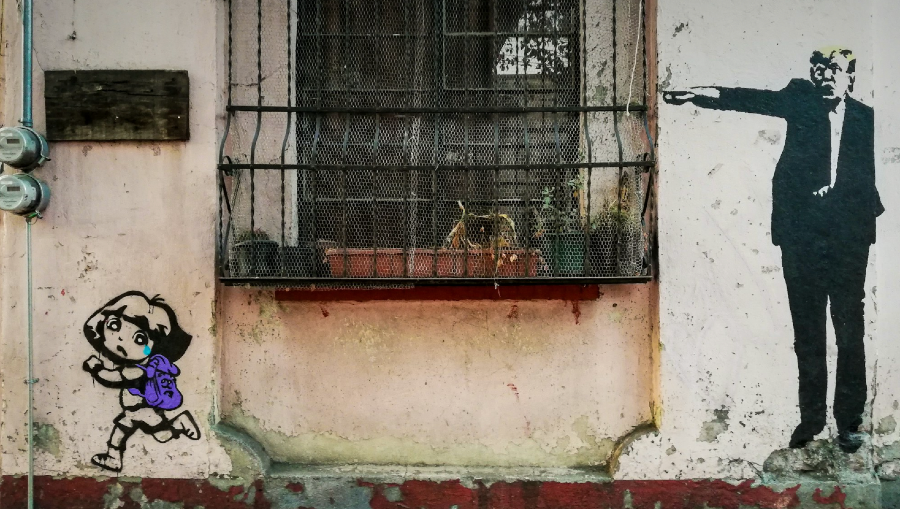
The cold that cuts to the bone, though, is delivered by the ICE raids and the constant fear. Many of Sofia’s friends from different countries have been detained and even deported.
“None of them have crimes on their record,” Sofia tells me. “Some of them have been here many years waiting for their court dates. I don’t understand why America doesn’t want us anymore.”
They have seen ICE on their street and at nearby apartment buildings. ICE was even at the girls’ public grade school one day, and their emergency phone tree warned Sofia and her partner not to come to the school to pick up the girls. A social worker picked up her daughters that day. Another day, they were getting groceries when they saw ICE activity on the street. Sofia shuffled the girls onto a CTA bus to avoid them.
“We are safe for today,” she says. “We have to keep things normal and cheerful for the girls.”
Every day is a new challenge. This is life for Sofia in Chicago, a city she loves.
Resource for Venezuelans in Chicago:
Panas en Chicago - information and community for Venezuelans living in Chicago. https://panasenchicago.org/
Want to help refugees? Immigration resources on Amplify
ICNW has a Mutual Aid signal thread that routinely rallies support for Refugee Support Chicago (RSC). Ask to join from the main ICNW thread.
Or reach out to Refugee Community Connection on Facebook.
World Relief Chicagoland: Offers "Good Neighbor Teams" where volunteers partner with families for 4-6 months to help with housing and integration.
Chicago Refugee Coalition: Focuses on year-round food security and distributing critical supplies, often highlighting events like the Day of Dignity.
2026 Refugee Support Events
- RefugeeOne Annual Benefit: Scheduled for April 23, 2026, at Artifact Events, featuring food, culture and a program to support newcomer stability.
- World Refugee Day Chicago (WRDC): (June 14, 2026) A major annual event featuring a picnic, soccer tournament, performances and a resource fair to celebrate and support local refugees.
Subscribe to our newsletter.
Be the first to know - subscribe today